



When we toast today the January 1st, We take it for granted that the whole world starts the year at the same time. But history has some uncomfortable news for us: New Year's has changed its date more times than you can imagine., And for centuries this caused confusion, legal arguments... and the occasional administrative disaster worthy of historical comedy.
In this article we travel from the Ancient Rome until the Middle Ages To discover why time, as we know it, is a human convention and not a universal truth. And yes: there were years that began in March, others at Easter, and some… whenever someone powerful decided it should.

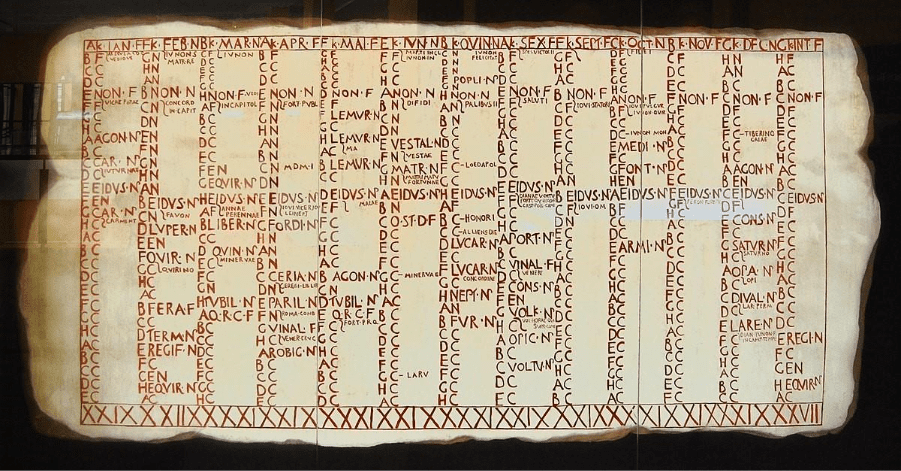
Ancient Rome: when the year began in March
In Ancient Rome, the year didn't begin in January, but in March. This wasn't a whim:
- March was dedicated to Mars, god of war.
- It was the month in which the military campaigns began.
- It coincided with spring and the rebirth of life.
In fact, the names of the months give it away:
- September was the seventh month.
- October, the eighth.
- November, the ninth.
- December, the tenth.
Everything fit together… until it didn't.
January enters the scene (but doesn't convince everyone)
In 153 BC, the Romans decided to move the start of the year to January so that the new consuls could assume power sooner. The month was dedicated to Janus, the god of doors, beginnings and endings (very fitting, indeed).
But here's the key detail: just because Rome decided it didn't mean everyone agreed. For centuries, different European territories continued to celebrate the New Year on completely different dates.
Middle Ages: when New Year's could fall... during Easter!
In the Middle Ages, the concept of the New Year became surreal. Depending on the kingdom or city, the year could begin on:
- December 25 (Christmas).
- March 25 (Annunciation).
- March 1 (Roman heritage).
- Holy Week (yes, a date that changes every year).
This meant that the same date could belong to different years depending on the location.
A real and documented example: a contract signed on “February 10, 1347” in one city could be considered illegal in another, because for them… it was still 1346.
Absolute chaos.
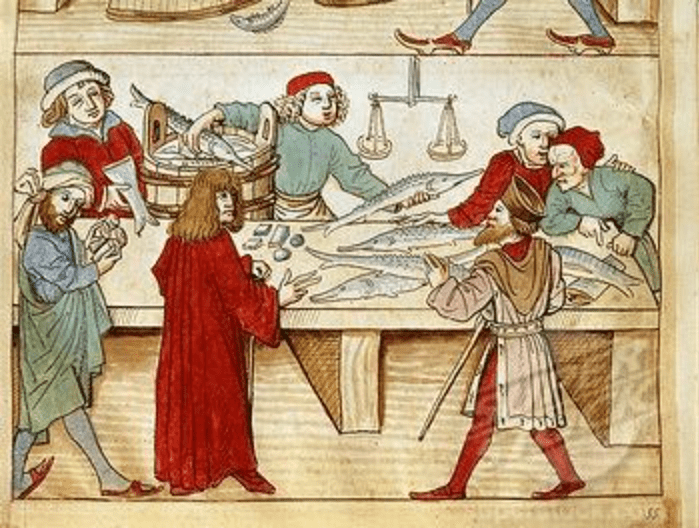
Impossible contracts and changing birthdays
This temporal disorder was not just a historical curiosity. It had very real consequences:
- Contracts with conflicting dates.
- Kingdoms that could not agree on when a reign began.
- People who were officially “born” in one year and celebrated their birthday in another.
Even historians today struggle to date some medieval documents. Time wasn't objective: it was political, religious, and local.
The final attempt to restore order (spoiler: it wasn't easy either)
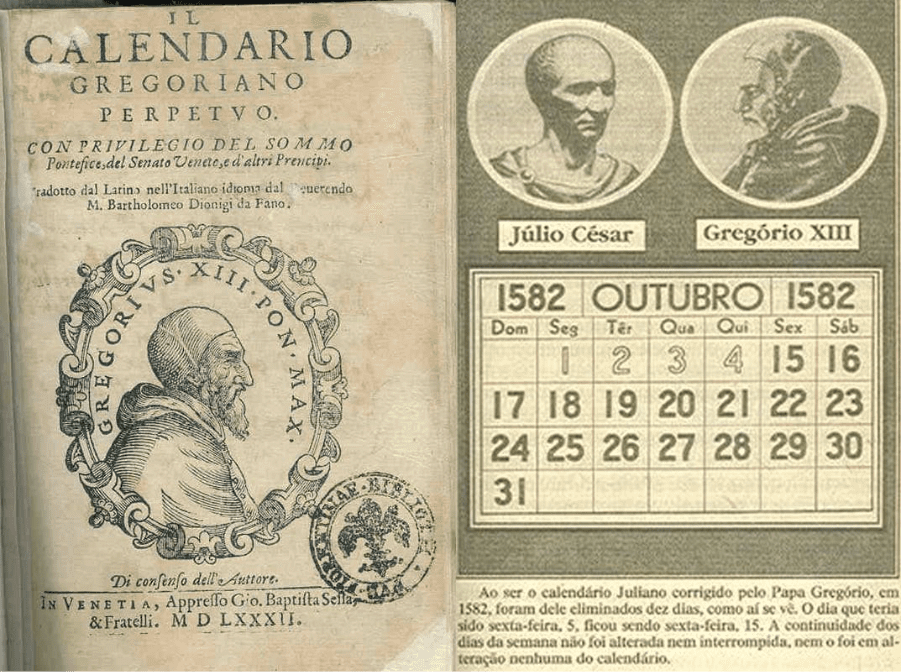
It wasn't until the 16th century that an attempt was made to fix the problem with the Gregorian calendar.
Some countries embraced the change… others took centuries. There were places where:
- Ten days were eliminated at once.
- People protested because they felt that part of their lives had been stolen.
- The New Year changed again… once more.
But in the end, the January 1st won the battle.
So… what do we learn from all this?
- The New Year is not a universal truth, it is a human agreement.
- Time has been shaped by wars, religions, and political decisions.
- What seems "normal" to us today was for centuries an absolute absurdity.
And the funniest thing: hundreds of years from now, perhaps our customs will also seem absurd.
New Year in Barcelona: from medieval chaos to the Sagrada Familia
If you are fascinated by discovering how history transforms the everyday into something extraordinary, imagine starting the New Year by exploring one of the most fascinating monuments in the world.
The sacred Family It is not only an architectural masterpiece, but also a symbol of time, faith, and ideas that change with the centuries… just like the New Year.
Start the year by traveling through time. Discover our Sagrada Familia tours on New Year's, where history, curiosities and humor mix to let you experience Barcelona in a unique way.
Book your tour now with HL Comedy Tours and start the year with a story you won't forget.
Because if time is a convention… starting the year with an unforgettable experience should be mandatory.
Laugh at history, but with history. Book now at hlcomedytours.com either histary.es